Awning Windows
 Bay/Bow Windows
 Casement Windows
 Double Hung
 Picture Windows
 Sliding Windows
 Specialty Windows
 Entry Doors
 Patio Doors
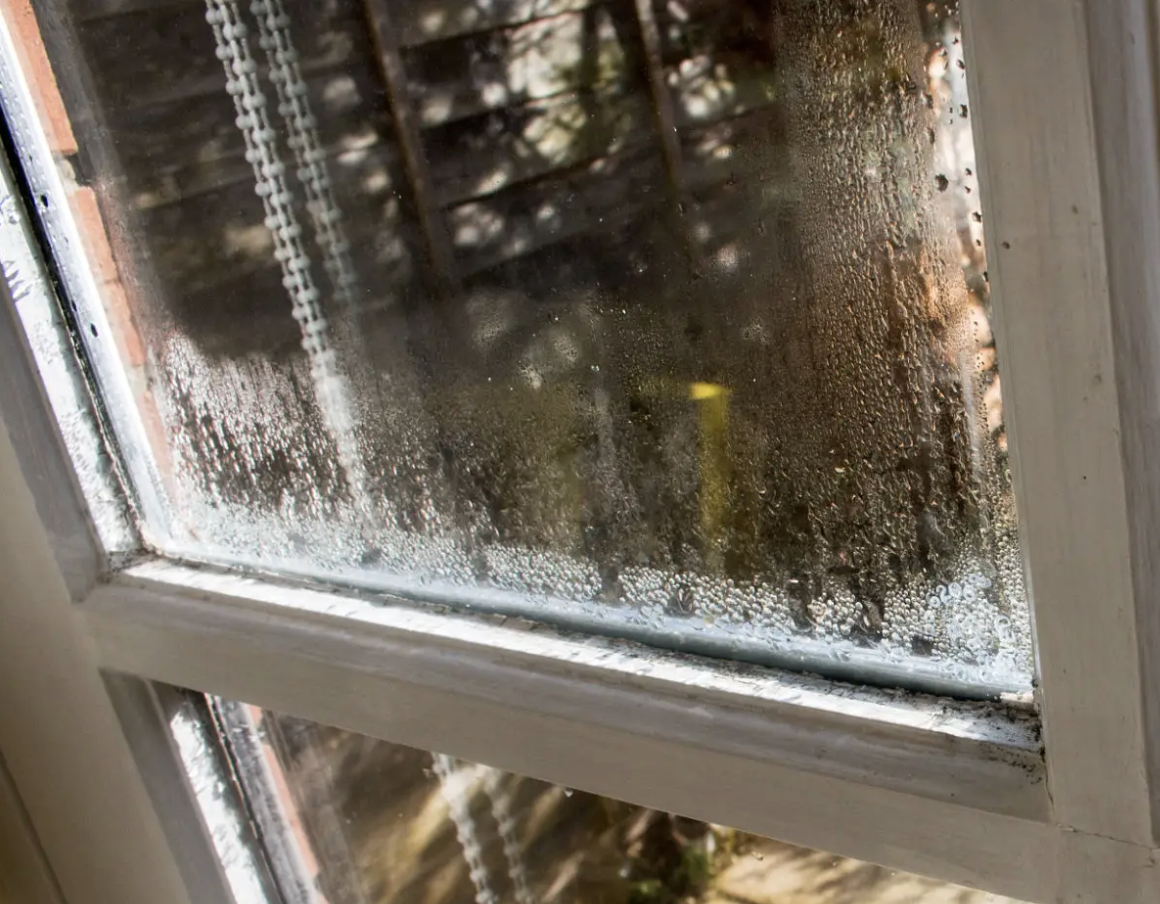
Seeing condensation on your windows can be concerning, especially during a cold Midwest fall and winter. The good news is that condensation on your window glass doesn't automatically mean your windows are failing. It is usually related to moisture and temperature differences inside versus outside your home.
However, where the condensation appears, how often it happens and how severe it is can tell you something important about your home's humidity, ventilation, or windows.
What We See in Midwest Homes
Here in the Midwest, we are constantly experiencing temperature swings throughout the year. During fall and winter weather changes, the difference between warm indoor air and cold window glass can make condensation much more noticeable. Because of this, we hear lots of questions from Sioux Empire and Siouxland homeowners about condensation on their windows and doors. Our local team has listened, and hopes this guide will help solve your window condensation problems!
Windows Today
Are you experiencing condensation or fog with your new windows? Today, windows are designed to reduce air leaks, drafts, and heating costs. This tight seal can limit ventilation and trap moisture inside your home. Your older windows were not sealed as tightly, causing drafts and allowing moisture to escape from your home. This might be why you are now having more condensation on your windows. Your new windows are doing their job: insulating your home from the outdoors.
What Causes Window Condensation
Windows and doors themselves do not cause this condensation. They are only telling you that other factors are at play. You could have too much humidity inside your home, or poor ventilation. They also could be telling you that the outside temperature is much colder than the inside temperature, and your window is thoroughly insulating your home from the cold outdoors.
Different Types of Condensation
- Condensation on the inside of your windows: is normal. This indicates excess humidity in your home that is trapped.
- Condensation on the outside of your windows: is normal. This is caused by a form of dew. The glass simply is a surface where the outside moisture can concentrate.
- Condensation between the panes of glass: is NOT normal. This typically means the window’s seal has failed, allowing moisture to get between the panes. If this is happening to your windows, it may be time to consider replacement. Our local team would be happy to take a look and provide replacement recommendations based on your home and your needs.
How Do I Prevent Condensation on the Inside of My Windows?
Moisture, humidity, steam, and water vapor, are all an invisible gas playing a role in your window’s condensation. Here are some practical steps to control your home’s humidity and prevent condensation:
- Turn on your vents: Everyday living of cooking and showering generates around 10 cups of water into the air. To control this, turn on your bathroom, kitchen, and any other ventilating fans for a longer period of time.
- Move your blinds and curtains away from the glass: These barriers trap cold air and moisture around your window, generating foggy windows. Open them to improve air circulation and reduce moisture buildup.
- Turn on a dehumidifier: Turn off any humidifier in your home, and turn on your dehumidifier in rooms where your windows are experiencing condensation.
- Reduce sources of moisture: Firewood, wet clothes, and houseplants can all contribute excess moisture to your home. During periods of increased condensation, avoid storing firewood, drying wet clothes, or keeping houseplants near your windows.
- Measure your indoor humidity: This will tell you the humidity level inside your home. Knowing this, you can take the steps necessary to prevent window condensation.
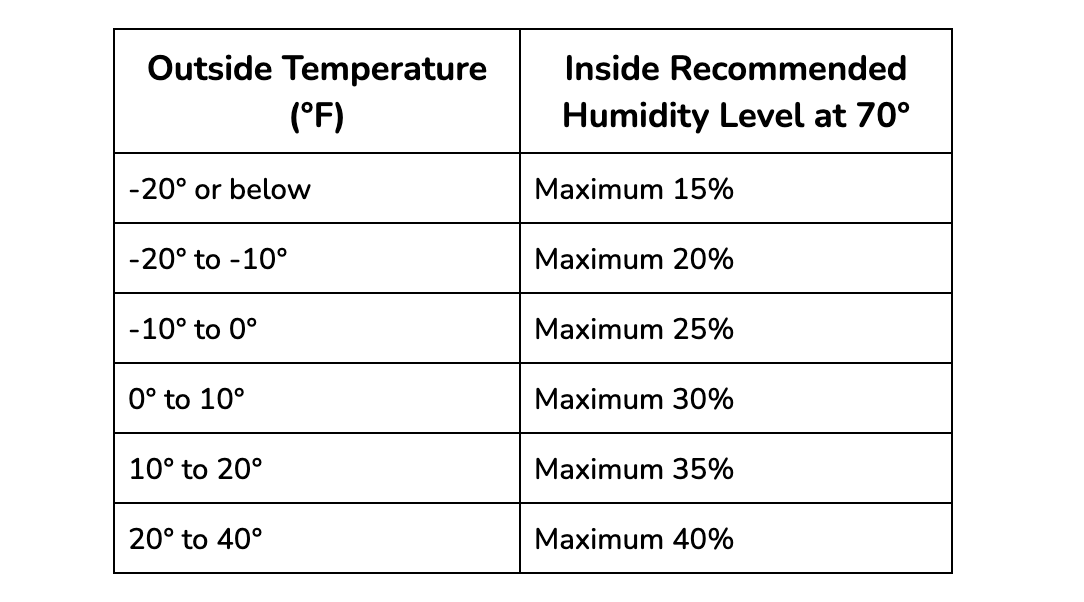
Measuring Indoor Humidity
The best way to determine if your home contains too much moisture is to measure your humidity levels. Here is a guide to help you determine what humidity level your home should be at:
Still Seeing Condensation on Your Windows?
While most condensation is normal, persistent and excessive moisture can be a sign that something else is wrong. Figuring out the root cause of your condensation is the most important step to determine the right solution for you and your home.
Our local team of experts is here to help you. If you are unsure of your next step, we can take a look at your windows, answer any questions you may have, and recommend the best next step for you and your home. Call us today at (605) 338-8896.